Get Indoor Air Quality Testing in Sugar Grove, IL
Indoor Air Quality Testing services for Sugar Grove, IL and nearby areas identify issues like mold, allergens, or pollutants, helping property owners ensure healthier indoor environments through professional assessments.
Indoor air quality testing services provide property owners in Sugar Grove, IL with valuable insights into the air they breathe inside their homes and commercial spaces. These assessments help identify potential issues such as excess dust, mold spores, allergens, or airborne pollutants that can impact overall comfort and safety. By understanding the quality of indoor air, property owners can make informed decisions to improve their environment, promoting healthier living and working conditions.
Engaging professional testing services offers benefits like enhanced comfort, reduced health risks, and improved building functionality. Clear results can lead to better air circulation, decreased maintenance needs, and increased durability of HVAC systems. Additionally, maintaining high indoor air quality can boost curb appeal by creating a cleaner, fresher atmosphere that makes properties more inviting to residents, visitors, or potential buyers.
- Indoor air quality testing services are recommended when residents notice persistent odors or airborne irritants in their homes or workplaces.
- These services are useful for detecting pollutants after renovations or remodeling projects in Sugar Grove, IL and surrounding areas.
- Indoor air quality testing can help identify mold, allergens, or chemical exposures in residential or commercial environments.
- They are often needed when symptoms of respiratory issues or allergies are present without an obvious cause indoors.
- Air quality testing is advisable for property owners preparing to sell or lease to ensure a healthy indoor environment.



Indoor Air Quality Testing Services
Indoor air quality testing involves evaluating the levels of pollutants and contaminants present within a building’s interior environment. This service typically includes sampling air, surfaces, or dust to identify common indoor pollutants such as mold spores, volatile organic compounds (VOCs), allergens, and particulate matter. The testing process helps determine whether indoor air quality meets acceptable standards and identifies specific sources of contamination that may be impacting occupant health or comfort.
These services are valuable for addressing a variety of indoor air problems, including persistent allergies, respiratory issues, or unexplained odors. Poor indoor air quality can be caused by factors like mold growth, inadequate ventilation, chemical emissions from household products, or moisture problems. By pinpointing the root causes of these issues, indoor air quality testing can guide effective remediation strategies and improve overall indoor health and safety.
Properties that often utilize indoor air quality testing include residential homes, especially those experiencing mold or moisture issues, as well as commercial buildings such as offices, schools, and healthcare facilities. Additionally, property managers and landlords may seek testing when preparing units for new tenants or after renovations to ensure a safe and healthy environment. In environments where sensitive populations are present, such as hospitals or daycare centers, regular testing can be an important part of maintaining safe indoor conditions.
Contractors and service providers specializing in indoor air quality testing typically offer comprehensive assessments tailored to the specific needs of each property type. These professionals use specialized equipment to gather accurate data and provide recommendations based on their findings. Contacting local experts can help property owners and managers identify potential indoor air issues early, ensuring appropriate measures are taken to maintain healthy indoor environments.
The overview below groups typical Indoor Air Quality Testing projects into broad ranges so you can see how smaller, mid-sized, and larger jobs often compare in Sugar Grove, IL.
In many markets, a large share of routine jobs stays in the lower and middle ranges, while only a smaller percentage of projects moves into the highest bands when the work is more complex or site conditions are harder than average.
Initial Testing - The cost for basic indoor air quality testing typically ranges from $200 to $500, depending on the size of the property and the number of tests required. For example, a standard assessment of a single-family home might fall within this range.
Advanced Analysis - More comprehensive testing, including detailed lab analysis for specific pollutants, can cost between $500 and $1,200. Larger or multi-unit properties may incur higher fees based on testing scope.
Monitoring Equipment - Continuous indoor air quality monitoring systems can have setup fees between $300 and $700, with ongoing service costs varying based on the duration and type of equipment used.
Inspection Packages - Some service providers offer bundled testing packages, with prices typically starting around $250 and reaching up to $1,000 for extensive assessments that include multiple tests and detailed reports.
Actual totals will depend on details like access to the work area, the scope of the project, and the materials selected, so use these as general starting points rather than exact figures.
Indoor Air Quality Testing services help identify pollutants and allergens present in residential and commercial indoor environments. Local professionals utilize various testing methods to assess air purity and detect potential health hazards.
Environmental Monitoring involves continuous or periodic testing of indoor air to monitor levels of contaminants over time. Service providers offer solutions to maintain optimal air conditions in homes and workplaces.
Air Pollutant Detection services focus on identifying specific airborne pollutants such as mold spores, volatile organic compounds (VOCs), and particulate matter. Local experts provide testing to pinpoint sources and inform remediation strategies.
Mold and Mildew Testing helps determine the presence and extent of mold growth indoors. Professionals conduct sampling and analysis to support effective removal and prevent health issues.
Ventilation System Assessment services evaluate existing ventilation systems for efficiency and effectiveness. Testing ensures proper air exchange and identifies areas needing improvement.
Radon Testing services measure radon levels within indoor spaces to assess potential health risks. Local specialists provide testing options suitable for residential and commercial properties.
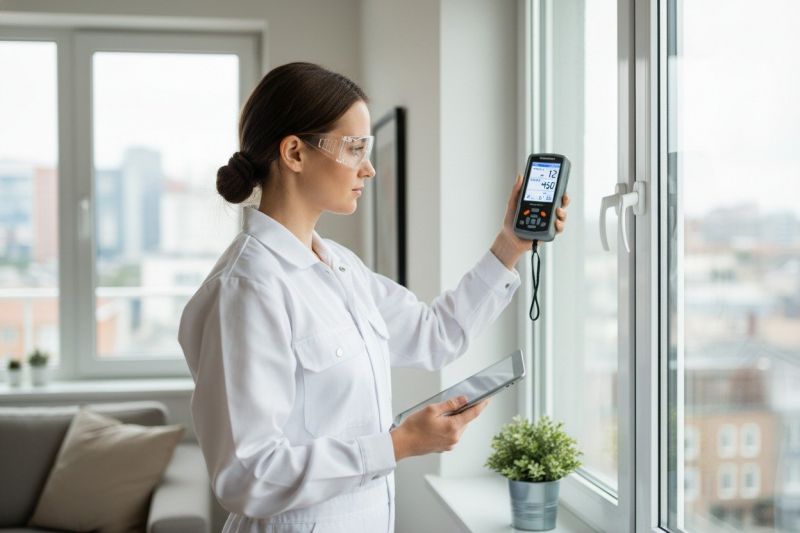
When evaluating indoor air quality testing services, it’s important to consider the experience and background of local providers. Homeowners should look for professionals who have established a solid track record within the community, with a history of conducting thorough and accurate assessments. Reputable local providers often have a portfolio of completed projects and can provide references that attest to their reliability and expertise. Ensuring that the chosen provider clearly outlines their testing procedures and what homeowners can expect during the process can help set appropriate expectations and foster trust.
Communication plays a vital role in selecting an indoor air quality testing service. Homeowners should seek providers who are transparent about their methods and willing to answer questions clearly and promptly. Good communication also involves providing detailed explanations of testing results and recommended next steps, helping homeowners understand the findings and make informed decisions. Establishing open lines of communication early on can lead to a smoother experience and ensure that any concerns or clarifications are addressed effectively.
It’s essential to remember that the information below introduces local options and is not a contractor or service provider itself. Homeowners are encouraged to contact the listed local professionals directly to discuss their specific needs, review their credentials, and confirm the scope of services offered. By comparing multiple local providers, homeowners can find the one that best aligns with their expectations for experience, communication style, and reputation, ultimately leading to a more informed and confident choice for indoor air quality testing.
Property owners in Sugar Grove, IL use Indoor Air Quality Testing services for practical projects around their homes and businesses. The sections below highlight everyday jobs and straightforward project options.

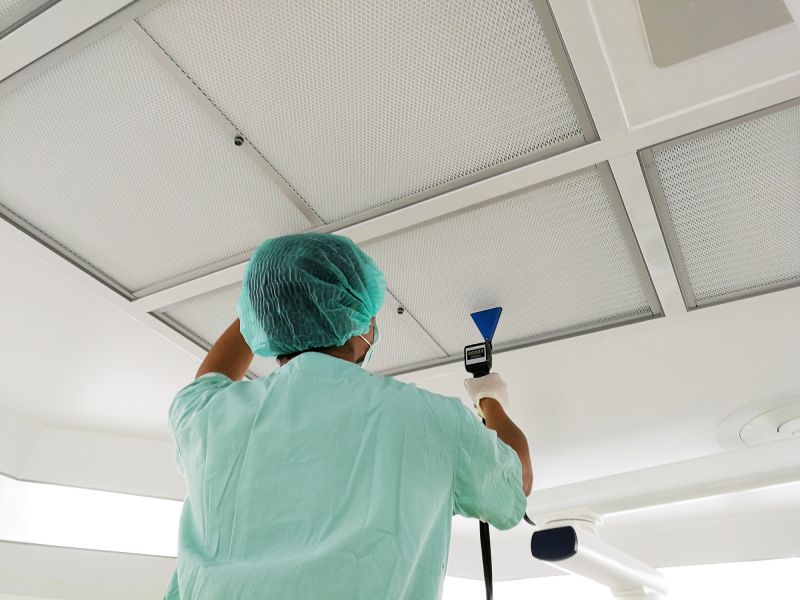
Indoor air quality testing services are often sought by property owners in Sugar Grove, IL who notice persistent indoor odors, dust buildup, or allergy symptoms among household members. These tests can help identify pollutants such as mold spores, allergens, or volatile organic compounds that may be affecting comfort and health. Homeowners may consider testing when experiencing unexplained respiratory issues, after renovations, or if they suspect mold growth in areas like basements or bathrooms.
Additionally, property owners might look for indoor air quality testing when preparing to sell a home or rental property, aiming to ensure a safe and healthy environment for future occupants. Testing can also be useful in detecting hidden sources of indoor pollutants that are not visible to the naked eye, providing valuable information for making informed decisions about air purification or remediation measures. Local professionals in Sugar Grove can assist with these assessments to help maintain a safe indoor environment.
What is indoor air quality testing? Indoor air quality testing involves assessing the levels of pollutants and allergens in a building's indoor environment to identify potential health risks.
Why should I consider indoor air quality testing? Testing can help detect issues such as mold, dust, or volatile organic compounds that may affect health and comfort indoors.
How is indoor air quality testing performed? Local service providers typically use specialized equipment to collect air samples for analysis of various airborne contaminants.
What types of pollutants can indoor air quality testing detect? Testing can identify mold spores, allergens, dust particles, chemical vapors, and other airborne pollutants.
How can I improve indoor air quality after testing? Based on test results, professionals may recommend cleaning, ventilation improvements, or air purification solutions to enhance air quality.
Indoor Air Quality Testing services help identify pollutants and allergens present in residential and commercial spaces. Contact local professionals to assess air quality and determine any necessary improvements.
Air Quality Assessments provide detailed analysis of indoor environments to detect mold, dust, VOCs, and other airborne contaminants. Reach out to nearby experts for comprehensive testing solutions.
Mold and Contaminant Detection specialists can identify hidden sources of mold, bacteria, and other pollutants affecting indoor air quality. Connect with local providers for accurate testing and recommendations.
Air Purity Evaluation services measure levels of airborne particles and chemicals to ensure a healthier indoor environment. Get in touch with experienced local pros for testing tailored to specific concerns.
Considering Indoor Air Quality Testing for a property in Sugar Grove, IL? The sections above highlight common project types, practical options, and details that often shape the scope of work.
When you are ready, use the quote form to share a few details about your project. Local pros can review the basics and respond with options that match what you have in mind.